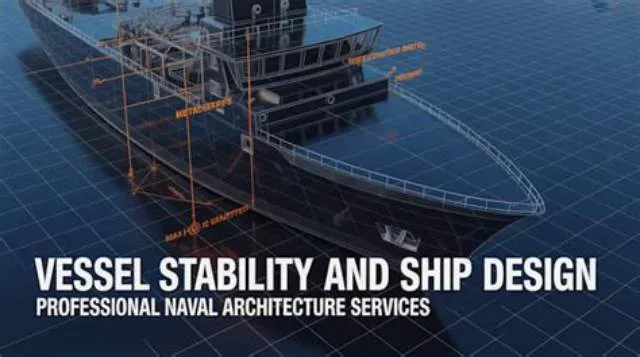
Engineering the Fleet: Career as a Naval Architect (Stability) in San Diego
The U.S. Navy relies on cutting-edge engineering to maintain its fleet, and at the heart of these efforts is the Southwest Regional Maintenance Center (SWRMC). We are currently looking for a talented Naval Architect (Stability) to help ensure the safety and readiness of our naval vessels. This role is more than just a job; it is a vital contribution to national security, requiring precision, technical expertise, and leadership.
Job Responsibilities
As a Command Docking Officer, your day-to-day work will be dynamic and impactful. You will:
- Plan and execute complex ship docking and undocking evolutions.
- Perform rigorous stability and dock-loading calculations.
- Provide technical oversight for SWRMC-owned docking facilities.
- Represent the Operations Department in high-level technical meetings.
- Mentor and certify Docking Observers to maintain strict safety standards.
Requirements
To qualify for this position, applicants must meet OPM standards for professional engineering. This includes:
- A Bachelor’s degree in an ABET-accredited engineering program or equivalent scientific curriculum.
- Professional engineering experience (GS-13 requires one year of equivalent experience at the GS-12 level).
- Ability to demonstrate advanced knowledge of fluid mechanics, strength of materials, and naval architecture principles.
Salary and Comparison
This position offers a competitive salary range depending on your experience and current grade level.
| Grade | Salary Range |
|---|---|
| GS-12 | $102,246 - $132,923 |
| GS-13 | $121,585 - $158,062 |
Benefits
Working for the Department of the Navy offers a robust benefits package, including:
- Comprehensive Federal Health Insurance.
- Defined benefit retirement plans.
- Generous annual leave and sick time.
- Stability and the pride of serving your country.
Application Tips
Submit your application before the closing date. Ensure your 2-page resume is detailed, including specific dates, job titles, and duties performed. Highlight your hands-on experience with ship docking or large-scale structural analysis.
If you are an engineer looking for a high-stakes, rewarding career, joining the team at SWRMC in San Diego is the perfect step. Your expertise will keep our fleet floating and mission-ready.
Why This Naval Architect (Stability) Job Matters
Shape the future of the fleet: Use your naval architectural expertise to lead critical docking evolutions at the Southwest Regional Maintenance Center.
Naval Architect (Stability) Job Overview
The U.S. Pacific Fleet is seeking a highly skilled Naval Architect (Stability) to join the Southwest Regional Maintenance Center (SWRMC) in San Diego. In this vital role, you will act as the Command Docking Officer, overseeing complex ship docking and undocking operations. You will manage engineering rigor, ensure facility compliance, and provide critical technical leadership to safeguard our maritime assets. This is a unique opportunity to apply advanced naval architecture principles to support fleet readiness and operational success in one of the most dynamic maritime hubs in the world.
Requirements for Naval Architect (Stability)
- U.S. Citizenship.
- Completion of a bachelor's degree in engineering (ABET accredited) or equivalent combination of education and experience.
- One year of specialized experience at the next lower grade level (GS-12 for GS-13 applicants).
- Ability to obtain and maintain a Secret security clearance.
- Submission of a professional resume (maximum 2 pages).
- Documentation supporting engineering licensure (PE, EIT) or relevant coursework.
Preferred Qualifications for Naval Architect (Stability)
- Experience in naval ship docking and undocking procedures.
- Background in structural engineering or stability analysis for maritime facilities.
- Demonstrated ability to interface with senior naval leadership.
- Familiarity with NAVSEA technical requirements and command docking programs.
- Proven experience managing environmental and safety compliance on naval installations.
Federal Benefits & Perks
- ✓Competitive Federal Salary
- ✓Comprehensive Health Insurance
- ✓Federal Retirement Pension Plan (FERS)
- ✓Thrift Savings Plan (401k-style)
- ✓Paid Time Off (Annual and Sick leave)
- ✓Professional Development and Training
💡 How to Apply Naval Architect (Stability) Job & Insider Tips
Application Steps for Naval Architect (Stability) Job
- Prepare a concise resume (strictly limited to 2 pages).
- Gather supporting documentation, including transcripts and any professional licensure.
- Submit your complete application package via email to the designated SWRMC address.
- Verify that your submission is legible and includes all required information (dates, grades, etc.).
- Monitor your email for potential communication regarding an interview.
💡 General Tips
- Use the USAJOBS Resume Builder to ensure all federal requirements are met.
- Be very specific about your experience with ship docking calculations and stability.
- Redact sensitive personal information (like full SSNs) from supplemental documents if you choose, but be prepared to provide unredacted versions if selected.
- Double-check that your resume explicitly shows your time in grade, especially if you have federal experience.
Frequently Asked Questions
Is this a remote position?
No, this role is based in San Diego and requires onsite physical presence to oversee dock evolutions, though it may offer some telework flexibility.
What is the page limit for the resume?
The resume must be no longer than 2 pages. Applications exceeding this limit or containing unreadable files will not be considered.
Do I need a security clearance?
Yes, this position requires the ability to obtain and maintain a Secret-level security clearance.
Job from U.S. Pacific Fleet
The Southwest Regional Maintenance Center, operating under the U.S. Pacific Fleet, provides essential maintenance and repair services to the world's most advanced ships. Based in San Diego, California, our team works to ensure the fleet remains combat-ready. By bridging the gap between civilian professional expertise and military requirements, we maintain the maritime superiority of the United States.