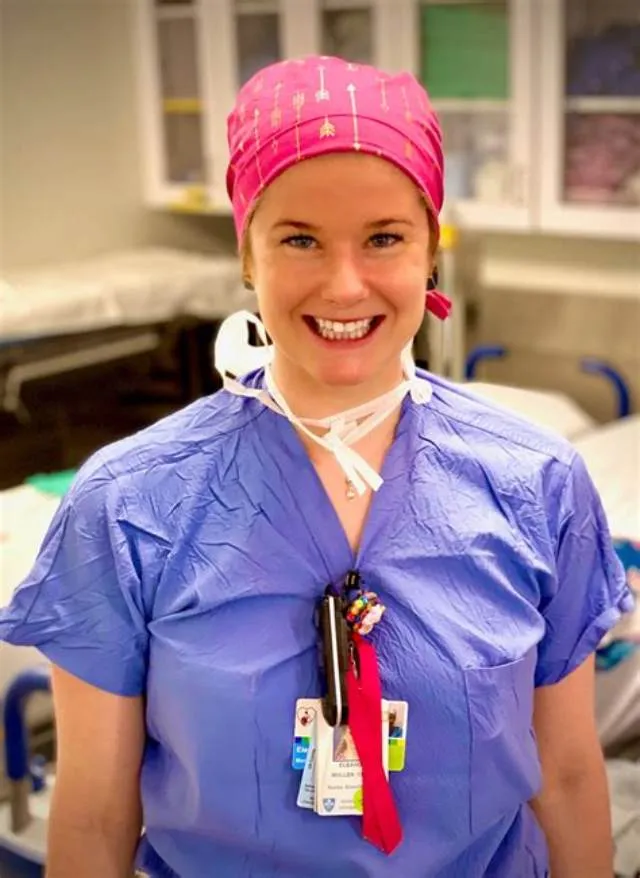
Serving Those Who Served: Becoming an Interventional Recovery Unit Registered Nurse at the Durham VA
Clinical nursing is more than a set of daily tasks—it is a commitment to clinical excellence, patient advocacy, and specialized care. In the federal sector, this calling takes on an even deeper meaning. Registered Nurses (RNs) working within the Department of Veterans Affairs (VA) have the distinct honor of delivering care to the men and women who have defended the nation. Currently, the Durham VA Healthcare System is seeking a highly skilled, compassionate, and experienced Registered Nurse to join its specialized Interventional Recovery Unit (IRU).
If you are an adaptable nurse with background experience in critical care, post-anesthesia care, or invasive procedural suites, this position offers an unparalleled opportunity to advance your clinical expertise. Supported by a generous federal retirement package, robust professional development initiatives, and a collaborative environment alongside world-class physicians, this role is a pathway to a secure and deeply meaningful career.
About the Durham VA Healthcare System
The Durham VA Healthcare System is a cornerstone of clinical research, education, and patient care in North Carolina's Research Triangle. Operating in close alignment with regional academic powerhouses, the system delivers comprehensive medical, surgical, and psychiatric care to Veterans throughout central and eastern North Carolina.
The agency's primary mission is anchored in President Abraham Lincoln's promise: "To care for those who have served in our nation's military and for their families, caregivers, and survivors." Working here means becoming part of an interdisciplinary team that champions "Whole Health"—an innovative clinical model focusing on what matters most to each patient rather than simply treating their immediate symptoms.
Clinical Scope and Job Responsibilities
The Interventional Recovery Unit is a highly specialized, eight-bay clinical suite designed explicitly for Phase I and Phase II procedural recovery. In this unit, RNs provide critical pre- and post-procedure care for adult patients of all ages undergoing advanced, invasive procedures and moderate sedation.
Patients coming through the IRU are typically scheduled for high-tech diagnostic or therapeutic interventions in the following specialized suites:
- Cardiac Catheterization Lab: Coronary interventions, diagnostic angiograms, and high-risk stent placements.
- Electrophysiology (EP) Lab: Complex cardiac ablations, pacemaker implantations, and implantable cardioverter-defibrillator (ICD) placements.
- Vascular Radiology: Peripheral angiograms, angioplasty, and central venous access line placements.
- Specialized Imaging Suites: Advanced procedures utilizing Magnetic Resonance Imaging (MRI), Computed Tomography (CT), and Ultrasound guidance, such as microwave tumor ablations and hepatic embolizations.
Primary Nursing Duties Include:
- Hemodynamic Monitoring: Constant tracking of electrocardiograms (ECG), noninvasive and arterial blood pressures, and peripheral oxygen saturation levels to recognize subtle post-procedural changes.
- Post-Sedation Recovery: Airway management, monitoring level of consciousness, and evaluating neurological and peripheral vascular perfusion.
- Complex Care Collaboration: Working in lockstep with Attending Physicians, Interventional Fellows, Residents, and specialized technologists to troubleshoot complications and coordinate transitions of care.
- Pain Management: Administering carefully titrated analgesics and evaluating the effectiveness of pain-relief strategies.
- Discharge Planning and Education: Assuring that outpatients and their families have a complete understanding of post-procedure activity limitations, wound care, medication modifications, and red-flag symptoms.
One of the most attractive elements of the IRU is the staffing ratios. Unlike private sector hospitals where recovery nurses are often stretched thin, the Durham VA prioritizes patient safety and clinical excellence by maintaining a 1:3 or 1:4 nurse-to-patient ratio, scaled dynamically based on patient acuity.
Experience Levels and Grade Determinations
The Veterans Health Administration utilizes a specialized qualification system for its nursing staff. Rather than standard clinical ladders, the VA determines your placement across three distinct Grades (Nurse I, II, or III) based on your combination of academic achievement, professional experience, and clinical capability.
The table below outlines the relationship between education, experience, and the corresponding VA Nursing Grades:
| VA Nursing Grade & Level | Required Education | Required Experience | Core Clinical Scope & Expectations |
|---|---|---|---|
| Nurse I, Level I | Associate Degree (ADN) or Diploma | None | Delivers fundamental, knowledge-based care while building foundational technical competencies. |
| Nurse I, Level II | ADN/Diploma OR Bachelor of Science (BSN) | 1 year (for ADN) OR None (for BSN) | Integrates cognitive skills and biopsychosocial concepts into complex clinical scenarios. |
| Nurse I, Level III | ADN/Diploma OR BSN OR Master's (MSN) | 2 years (for ADN) OR 1 year (for BSN) OR None (for MSN) | Demonstrates highly self-directed care planning and management of complex patient dynamics. |
| Nurse II | BSN OR MSN OR Doctoral Degree in Nursing | 2 years (for BSN) OR 1 year (for MSN) OR None (for Doctorate) | Exhibits clinical leadership, active multidisciplinary collaboration, and program-level care improvements. |
| Nurse III | MSN OR Doctoral Degree in Nursing | 2 years (for MSN) OR 1 year (for Doctorate) | Executes system-wide leadership, designing creative, evidence-based solutions for complex health delivery challenges. |
Note: To qualify for the Nurse III grade, applicants must satisfy and document advanced competence in five distinct dimensions of nursing practice: Practice, Patient-Driven Care, Leadership, Professional Development, and Evidence-Based Practice/Research.
Key Qualifications and Job Requirements
To ensure the safety and security of patients, all candidates must meet rigorous federal hiring standards prior to appointment:
- U.S. Citizenship: Required for permanent clinical appointments. Non-citizens may only be hired under rare circumstances where no qualified citizens are available.
- Active Licensure: A current, full, active, and unrestricted license to practice as a Registered Nurse in any U.S. State, Territory, or the District of Columbia.
- Educational Accreditation: Degrees must be conferred by programs accredited by either the Accreditation Commission for Education in Nursing (ACEN) or the Commission on Collegiate Nursing Education (CCNE).
- Physical Stamina: The role demands physical capability, including standing and walking for up to 8 hours daily, pushing heavy equipment, bending, and the rapid physical coordination required during emergent resuscitations.
- Medical Screenings: Candidates must complete a pre-employment physical exam, an annual tuberculosis screening, and participate in the mandatory seasonal influenza vaccination program.
- Background and Drug Screenings: All tentative selections are contingent upon passing a federal background check and a pre-employment drug screening.
Federal Salary and the "Total Rewards" Package
The base salary for this position ranges from $82,819 to $155,103 per year, depending on the recommended Grade and Step determination from the Nursing Professional Standards Board. However, base pay is only one component of the VA’s industry-leading Total Rewards program, designed to support a lifetime career:
- Generous Paid Leave: Receive a industry-leading 50 days of paid time off every single year, comprising 26 days of annual (vacation) leave, 13 days of cumulative sick leave, and 11 paid federal holidays.
- Robust Pension & Retirement Plan: Vest in a traditional federal pension after just 5 years of service. This is paired with the Thrift Savings Plan (TSP), which offers up to a 5% matching contribution on retirement savings.
- Portability of Licensure: Because the VA is a federal system, you can transfer to any VA facility in the country without needing to retake state licensing exams, as long as you maintain one active state license.
- Comprehensive Health Coverages: Access diverse plans under the Federal Employees Health Benefits (FEHB) program, carrying these benefits straight into your retirement once eligibility guidelines are met.
Application Steps and How to Apply
Applying for a federal nursing role is highly structured. To make sure your application is processed, follow these instructions carefully:
- Obtain the Clinical Resume Template: The VA requires a specific formatting document. Download the template via the VA Careers Resume Link.
- Prepare the Multi-Part Resume: Fill out the downloaded 1-page Clinical Resume without changing its document fields, and upload it into the 'Resume' section of USAJobs. Next, upload your complete, multi-page CV/resume under the 'Other' document slot.
- Compile Supporting Documentation: Ensure you upload your official academic transcripts (verifying degree conferral dates), active license documentation, and any applicable professional certifications (such as ACLS, CCRN, or CRN).
- Complete the Assessment Questionnaire: Navigate to USAJobs to link your profile and complete the extensive online occupational questionnaire.
- Submit Before the Deadline: Submit your completed application packet before 11:59 PM Eastern Time on the closing date listed in the announcement.
Insider Tips for Success:
- Be Verbose and Clear: Federal HR personnel are restricted from making assumptions about your clinical capabilities. If you have experience running codes, managing arterial lines, or serving as a Charge Nurse, spell it out in detail on your full-length CV.
- Highlight the Five Dimensions: Standardize your professional accomplishments around the themes of clinical practice, patient-driven care, team leadership, professional development, and integrating research into practice.
Q: Are foreign nursing degrees accepted?
Yes, foreign-educated nurses are eligible for consideration, provided they possess a current and unrestricted U.S. state license and submit a formal degree equivalency validation from a recognized credential evaluator, such as the International Consultants of Delaware (ICD).
Q: Is there a probation period for this position?
Yes, newly appointed federal employees and those transitioning into Title 38 clinical appointments are typically required to serve a clinical probationary period.
The Registered Nurse position within the Interventional Recovery Unit at the Durham VA Healthcare System is more than a standard clinical assignment. It is an opportunity to practice high-acuity, specialized nursing with favorable clinical ratios, exceptional federal compensation, and the deep satisfaction of caring for the nation's Veterans.
By matching advanced clinical procedures with the personalized care of Phase I and II recovery, you will play an invaluable role in the healing journey of our nation's heroes. Review your credentials, download the required clinical templates, and take the next step in your professional journey by applying for this rewarding career opportunity today.
Why This Registered Nurse (Interventional Recovery Unit) Job Matters
Deliver life-saving post-procedural care to America's heroes in a high-tech Interventional Recovery Unit with unbeatable federal benefits and a supportive nurse-to-patient ratio.
Registered Nurse (Interventional Recovery Unit) Job Overview
The Durham VA Healthcare System is seeking a dedicated and experienced Registered Nurse to join the Interventional Recovery Unit (IRU). This specialized eight-bay unit focuses on Phase I and Phase II procedural recovery, providing expert care for Veterans undergoing complex invasive procedures in the Cardiac Catheterization Lab, Electrophysiology Lab, Vascular Radiology, MRI, CT, and Ultrasound departments. Working with a favorable 1:3 or 1:4 nurse-to-patient ratio, you will lead clinical care, coordinate recovery workflows, manage acute post-procedure pain, and prepare patients and families for safe discharges.
Requirements for Registered Nurse (Interventional Recovery Unit)
- U.S. Citizenship (Non-citizens may only be considered if no qualified citizens are available)
- Full, active, current, and unrestricted Registered Nurse license in any U.S. State, Territory, or the District of Columbia
- Graduate of a nursing program accredited by ACEN or CCNE, or equivalent foreign nursing credential validation
- Proficiency in written and spoken English
- Must pass a pre-employment physical examination and security/background investigation
- Participation in the annual seasonal influenza vaccination program (or approved medical/religious exemption)
- Subject to pre-employment drug screening (urinalysis)
- Selective Service registration required for males born after December 31, 1959
Preferred Qualifications for Registered Nurse (Interventional Recovery Unit)
- Bachelor of Science in Nursing (BSN)
- Advanced Cardiac Life Support (ACLS) certification
- ANCC certification in Critical Care Nursing (CCRN)
- Certified Radiologic Nurse (CRN) in Imaging, Interventional, and Therapeutic Environments
- At least 1 year of active nursing experience within the past 5 years
- Prior critical care, ICU, ER, or invasive procedure recovery experience within the past 2 years
- Demonstrated experience in a Charge Nurse role navigating patient flow across critical care units
Federal Benefits & Perks
- ✓Competitive salary with regular performance-based increases and potential award opportunities
- ✓50 days of paid time off annually: 26 annual leave days, 13 sick leave days, and 11 paid federal holidays
- ✓Traditional federal pension plan (vested after 5 years of service)
- ✓Thrift Savings Plan (TSP) 401(k) equivalent with up to a 5% agency matching contribution
- ✓Comprehensive Federal Employees Health Benefits (FEHB) including medical, dental, vision, life, and long-term care insurance
- ✓Transferable licensure: Practice in any VA facility nationwide with a single active state license
- ✓Pre-tax health savings and dependent care flexible spending accounts
💡 How to Apply Registered Nurse (Interventional Recovery Unit) Job & Insider Tips
Application Steps for Registered Nurse (Interventional Recovery Unit) Job
- Review the full vacancy announcement and preview the occupational questionnaire.
- Download the mandatory VA clinical resume template from the official VA careers portal.
- Fill out the standard 1-page clinical resume without modifying its structural fields and upload it to the 'Resume' section in USAJobs.
- Upload your comprehensive, unrestricted CV/resume (no page limitations) under the 'Other' document slot.
- Gather and upload additional required documentation, including official academic transcripts, active RN licenses, certifications, and any applicable VA/military service documents (e.g., DD-214, SF-50, SF-15).
- Log into your USAJobs account, select your uploaded documents, and complete the occupational assessment questionnaire.
- Submit your complete application package before the closing deadline at 11:59 PM Eastern Time.
💡 General Tips
- Do not alter the structure of the mandatory 1-page clinical resume template. It must be uploaded directly into the designated two-page restricted 'Resume' document field, while your detailed, full-length CV goes into the 'Other' attachment field.
- Be highly detailed and specific when documenting your clinical experience. The VA HR specialists cannot make assumptions about your competencies; explicitly state your unit types, nurse-to-patient ratios, and procedural familiarity.
- Align your CV's accomplishments with the five key dimensions of VHA Nursing: Practice, Veteran/Patient-Driven Care, Leadership, Professional Development, and Evidence-Based Practice/Research.
- Ensure your academic transcripts are official and clearly show the degree conferred date. If you completed a bridge program or have a foreign degree, attach the appropriate equivalency certifications.
Frequently Asked Questions
What is the nurse-to-patient ratio in the Interventional Recovery Unit?
The staffing levels in the IRU are highly favorable, typically maintained at 1:3 or 1:4 depending entirely on the clinical acuity of the recovering patients.
Does this position offer telework or remote options?
No. Due to the high-acuity, hands-on clinical recovery care required in this unit, telework and virtual work options are not available.
Are there any relocation or recruitment incentives authorized?
Relocation incentives and Permanent Change of Station (PCS) expenses are not authorized for this specific hiring action.
How is the clinical grade and starting salary determined for selected candidates?
A specialized Nursing Professional Standards Board (NPSB) will evaluate your unique combination of education, licensing, and professional nursing achievements. They align these qualifications against the five dimensions of VHA nursing to assign the appropriate Grade (Nurse I, II, or III) and step level.
Q: What shift schedules are associated with this IRU role?
The standard work schedule is Monday through Friday, utilizing 10-hour shifts structured between the hours of 7:00 AM and 8:00 PM. No standard weekend shifts are currently required, though tour schedules may adjust slightly depending on unit needs.
External Resources
- ↗ USAJobs Job Posting
- ↗ USA Staffing Online Assessment
- ↗ VA Qualification Standards Portal
- ↗ U.S. Department of Education Accreditation Database
- ↗ U.S. Department of Education Foreign Qualification Recognition Guide
- ↗ USA Staffing Apply Portal
- ↗ USA Staffing Application Status
- ↗ VA Careers Benefits Directory
- ↗ Mandatory Clinical Resume Template (DOCX)
- ↗ USCIS Form I-9 Acceptable Documents Guide
- ↗ Feds Hire Vets Homepage
- ↗ Fair Chance Act Information
- ↗ Agency Contact Email