Lead Civil Engineer: Shaping the Future of Aviation Infrastructure
Are you a visionary engineer looking to make a lasting impact on national transportation? The Federal Aviation Administration (FAA) is offering a high-impact opportunity for a Lead Civil Engineer within the Office of Airports, Central Region. Based in Kansas City, this role sits at the intersection of technical excellence and strategic oversight, managing projects that ensure the safety and efficiency of our nation's airports.
Job Responsibilities
As the Principal Technical Expert for the Airports Division, you will:
- Direct airport development projects ensuring compliance with all FAA regulations, Advisory Circulars, and Grant Assurances.
- Review engineering design drawings and construction safety plans.
- Conduct technical workshops for sponsors, consultants, and internal staff regarding pavement design and airport development.
- Collaborate with federal, state, and local officials to resolve complex engineering conflicts.
- Serve as a key representative at high-level technical meetings and runway safety committees.
Requirements
To qualify, you must possess:
- A Bachelor’s degree in engineering from an ABET-accredited institution.
- At least one year of specialized experience at the GS-13 level or equivalent.
- Proven expertise in airport construction standards and methods.
Qualifications Comparison
| Requirement | Level/Standard |
|---|---|
| Education | Bachelor's Degree (Engineering) |
| Experience | 1 Year Specialized (GS-13/FV-I) |
| Citizenship | Required |
| Professional Certification | Preferred (PE) |
Salary and Benefits
This position offers a competitive compensation package between $113,603 and $176,120 annually. Benefits include health insurance, retirement planning, generous leave accrual, and the opportunity to work in a collaborative, mission-driven environment.
Application Tips
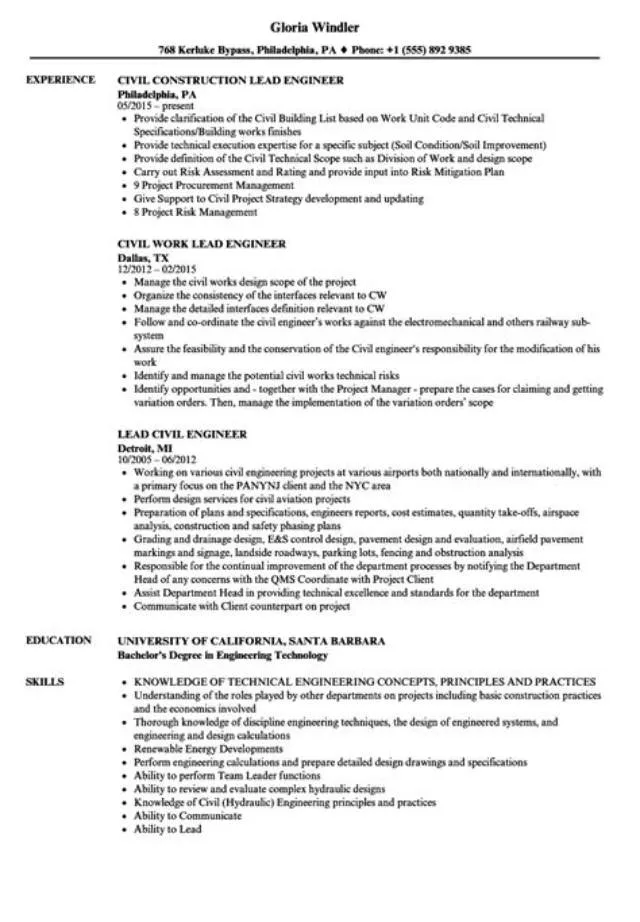
- Resume Limit: Keep your resume to exactly two pages.
- Evidence-Based History: Instead of KSA narratives, provide specific, measurable examples of your work experience within your resume.
- Documentation: Ensure all transcripts and, if applicable, SF-50 forms are uploaded before the closing date.
This role is an exceptional opportunity for an experienced engineer to leave their mark on the aviation sector. If you meet the criteria and are ready for a challenging role in the heart of the country, we encourage you to submit your application early.
Why This Civil Engineer (Lead) Job Matters
Shape the future of aviation infrastructure as a Lead Civil Engineer for the FAA’s Central Region. Your expertise will directly influence airport safety and project excellence.
Civil Engineer (Lead) Job Overview
The Federal Aviation Administration (FAA) is seeking an experienced Civil Engineer to join the Office of Airports in Kansas City, Missouri. This pivotal role serves as a senior project engineer within the Central Region, overseeing complex airport development initiatives supported by the Airport Improvement Program (AIP). You will act as the primary technical authority for airport design, construction standards, and regulatory compliance, ensuring all projects align with federal safety mandates.
Requirements for Civil Engineer (Lead)
- U.S. Citizenship is mandatory.
- Bachelor's degree or higher in engineering from an ABET-accredited program or equivalent.
- At least one year of specialized experience equivalent to FV-I, FG/GS-13 level.
- Must have documented experience in airport design, construction standards, and methods.
- Ability to provide technical guidance and represent management at high-level meetings.
- Must submit college transcripts by the closing date.
Preferred Qualifications for Civil Engineer (Lead)
- Active Professional Engineer (PE) registration.
- Proven track record in negotiating resolutions for controversial or complex engineering issues.
- Experience in technical training and conducting workshops for stakeholders.
- Demonstrated ability to manage and oversee large-scale construction projects.
Federal Benefits & Perks
- ✓Competitive federal salary with locality pay
- ✓Comprehensive health and life insurance options
- ✓Federal retirement benefits including FERS
- ✓Paid vacation and sick leave
- ✓Opportunities for professional development and training
- ✓Telework eligibility
💡 How to Apply Civil Engineer (Lead) Job & Insider Tips
Application Steps for Civil Engineer (Lead) Job
- Create a profile on the official FAA career portal.
- Ensure your resume is limited to two pages total.
- Include specific work history details: job title, series/grade (if federal), hours worked, and specific examples for KSA validation.
- Upload required documentation, including college transcripts, by the closing date.
- Submit your application through the online portal before 11:59 PM ET on the closing date.
- Monitor your status via the online dashboard after submission.
💡 General Tips
- Keep your resume concise; the two-page limit is strictly enforced.
- Do not provide narrative KSA responses; instead, weave your specific achievements and examples directly into your work history descriptions.
- Clearly link your past construction and design experience to the selective factors mentioned in the announcement.
- Ensure all contact information and employment dates are accurate to avoid eligibility issues.
- If applying as an internal FAA employee, upload your SF-50 to verify your current status.
Frequently Asked Questions
Is this a remote position?
No, this position is located in Kansas City, Missouri. While it is telework-eligible, it is not a fully remote role.
What happens if I miss the transcript deadline?
Failure to submit required transcripts by the closing date will result in your application being ineligible for consideration.
Do I need to write KSA narratives?
No. The FAA has eliminated traditional KSA narratives. You must instead provide detailed examples within your work history that demonstrate your skills.
Job from Federal Aviation Administration
The FAA is the primary governing body for civil aviation in the United States. With a workforce of over 44,000 professionals, the agency is committed to providing the safest and most efficient aerospace system globally. From advancing autonomous vehicles to sustainable electric aircraft, the FAA is at the forefront of modern engineering and technology.